
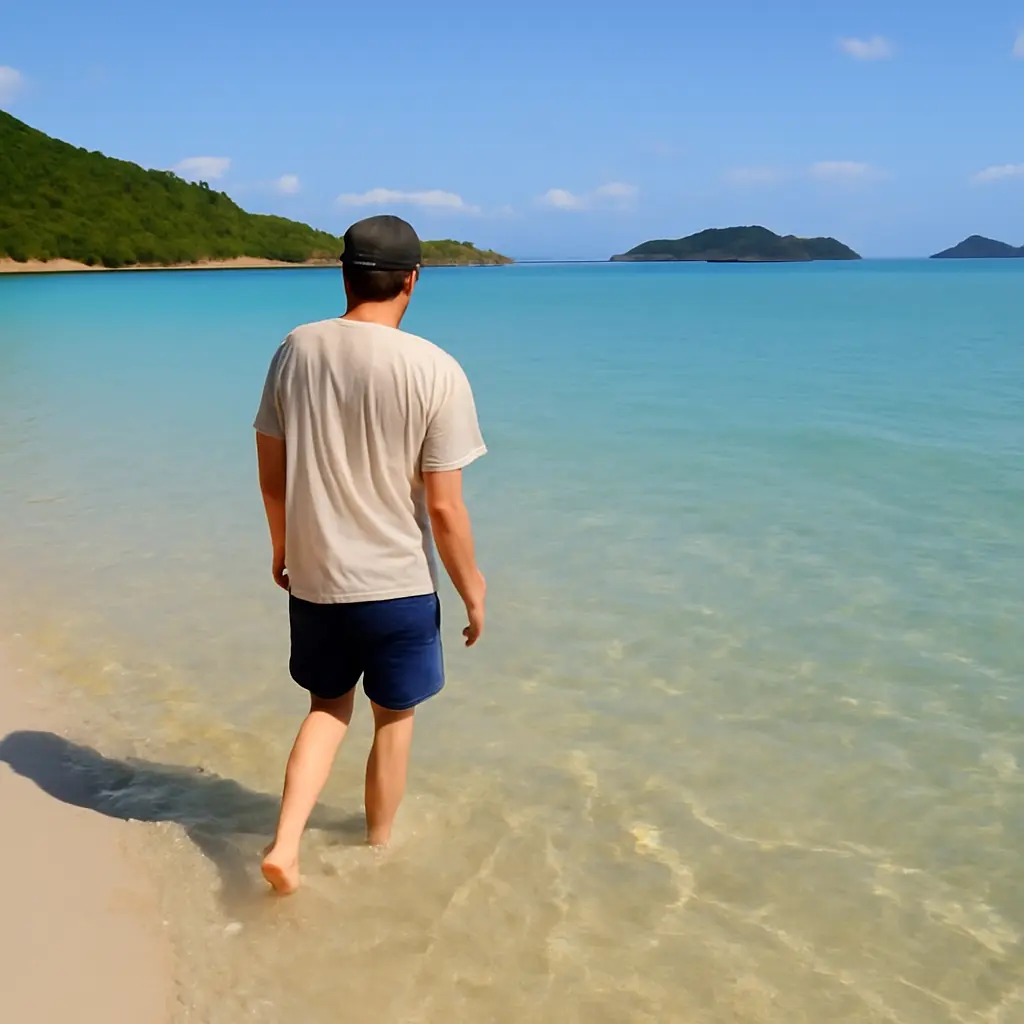
A calm-water beach destination offers sheltered swimming, gentle paddling, and room to relax—though conditions can still change with weather, tides, and local advisories. For lazy days by the shore, five especially appealing choices are Sand Harbor on Nevada’s Lake Tahoe, Trunk Bay in the U.S. Virgin Islands, Lanikai Beach in Oʻahu, Ses Illetes in Formentera, and Horseshoe Bay in Bermuda. Their coves, reefs, lagoons, or naturally protected shorelines can help soften waves, while water-quality programs and visitor guidance provide useful context for planning. Calm does not mean risk-free: check the forecast, beach flags, and official swimming notices before getting in.
Sheltered shorelines make calm-water destinations appealing
“Calm waters” is a practical travel description, not a standardized scientific classification for beaches. The National Oceanic and Atmospheric Administration (NOAA) explains that wave conditions are influenced by factors including wind, water depth, and the distance over which wind can generate waves. Bays, lagoons, reef-fringed beaches, and coves may reduce exposure to open-water swell, but none guarantees flat water every day.
These settings suit different kinds of low-key shore days: freshwater swimming and paddling at an alpine lake; snorkeling in a reef-protected bay; floating in a shallow lagoon; or lounging beside a sheltered Caribbean cove. The five destinations below illustrate those related shoreline types. NOAA’s beach-safety guidance and the U.S. Environmental Protection Agency’s (EPA) recreational-water program also underline an important point: water conditions and water quality are separate considerations, and both should be checked before swimming.
How shelter affects the experience
A protected shoreline is one where landforms, reefs, or other barriers reduce direct exposure to waves. A reef can dissipate wave energy before it reaches shore; a bay can offer shelter from some wind directions; and an enclosed lagoon may have a gentler surface than the open coast. Conditions vary by location and day, so look for local signs, lifeguard advice, and current marine forecasts rather than relying on a destination’s reputation alone.
Water quality is a separate check
A visually clear beach is not automatically safe for swimming. EPA’s Beach Advisory and Closing Online Notification (BEACON) system compiles information about beach advisories and monitoring in participating U.S. jurisdictions. Visitors should also consult local authorities outside the United States, since monitoring systems and public notices differ. After heavy rainfall, sewage incidents, or a posted advisory, follow official guidance and avoid entering the water when advised.
Five calm-water destinations for lazy days by the shore
From a high-elevation lake to tropical reef and lagoon settings, these destinations offer varied ways to seek a gentler shoreline. Each has different access rules, environmental pressures, and conditions; check current local information before setting out.
1. Sand Harbor, Lake Tahoe, Nevada
Sand Harbor sits on Lake Tahoe’s northeastern shore within Lake Tahoe Nevada State Park. Its coves and sheltered corners, clear freshwater, and striking granite formations make it a good choice for swimming, shoreline lounging, and paddling when conditions allow. The Nevada Division of State Parks notes that Sand Harbor is a popular summer destination and that parking can fill early, so advance planning matters as much as choosing a quiet patch of shore.
Lake Tahoe is a high-elevation lake, which means the water can remain cold even when the air is warm. Enter gradually, supervise children closely, and use a properly fitted life jacket for paddling. Wind can also build waves across the lake; a sheltered cove is not a substitute for checking the day’s forecast.
2. Trunk Bay, St. John, U.S. Virgin Islands
Trunk Bay is a crescent-shaped beach within Virgin Islands National Park, where a fringing reef helps shelter parts of the swimming area. The National Park Service highlights its underwater snorkeling trail, an accessible way to experience reef life while remaining close to shore. Conditions can still change with wind and swell, so swimmers should follow posted guidance and avoid standing on or touching coral.
The park’s reef setting makes this destination especially relevant to conservation-minded visitors. Coral reefs support diverse marine life and help reduce wave energy along some coasts, but they are sensitive ecosystems. Use reef-safe practices recommended by local authorities, never feed wildlife, and take all litter away from the beach.
3. Lanikai Beach, Oʻahu, Hawaiʻi
Lanikai, on Oʻahu’s windward coast, is known for its pale sand and views of the Mokulua Islands. The offshore islands and reef features can help create protected swimming conditions in some areas, making the beach attractive for a relaxed swim or a kayak outing. Hawaiʻi’s Department of Health advises beachgoers to check water-quality notices, especially after heavy rain, when runoff can affect coastal waters.
Lanikai is a neighborhood beach rather than a large state-park facility, so visitors should be considerate of residents, use legal parking, and avoid blocking access. There are no lifeguards at Lanikai Beach according to the City and County of Honolulu’s beach information. Be conservative about swimming and paddling if surf, wind, or currents are stronger than expected.
4. Ses Illetes, Formentera, Spain
Ses Illetes lies within the protected landscape of Ses Salines Natural Park, on the narrow Es Trucadors peninsula in Formentera. Shallow water and the peninsula’s sheltered setting can create lagoon-like stretches that appeal to waders and swimmers. The Balearic Islands’ environmental authorities identify the park as an important coastal and marine area, so visitors should respect access rules and avoid damaging dunes, seagrass, and other protected habitats.
The beach’s popularity can bring congestion during peak season. Consider arriving outside the busiest hours, use designated access routes, and check local transport or vehicle restrictions before traveling. Even in shallow water, currents and changing weather can affect conditions; stay within your ability and keep children within arm’s reach.
5. Horseshoe Bay, Bermuda
Horseshoe Bay, on Bermuda’s South Shore, is famed for its curved pink-sand shoreline and rock formations. Some small coves and calmer pockets along the beach can be suitable for a gentle dip when surf is low, while exposed sections may experience stronger waves. Bermuda’s official tourism guidance describes the beach’s facilities and visitor access; beachgoers should check local signs and lifeguard advice to identify the safest swimming area on the day.
The destination offers an example of why “calm-water beach” should be treated as a condition to verify, not a permanent feature. Atlantic weather and swell can change the shoreline’s character. Stay out of rough water, do not assume that rock-enclosed areas are hazard-free, and keep a safe distance from wave-washed rocks.
Plan a relaxed beach day with safety and stewardship in mind
A comfortable shore day begins with a few checks. Review the marine forecast and local beach notices; identify whether lifeguards are present; bring sun protection, drinking water, and suitable footwear; and choose activities that match the conditions. For paddling, use a life jacket and tell someone your route. For snorkeling, stay within your ability and avoid contact with coral or wildlife.
- Check official swimming advisories and weather conditions on the day of your visit.
- Respect flags, closures, lifeguard instructions, and protected-area rules.
- Pack out rubbish and avoid disturbing dunes, seagrass, coral, and wildlife.
- Choose a less crowded time or an alternative access point when popular beaches are busy.
A useful comparison chart could list each beach’s setting, likely shelter features, lifeguard availability, and official advisory source. Because staffing and conditions change seasonally, verify those details with the relevant park or local authority instead of relying on an old travel listing.
Conclusion: choose the shoreline, then check the conditions
Sand Harbor, Trunk Bay, Lanikai, Ses Illetes, and Horseshoe Bay each offer a different route to a slower day by the water, from lake coves and reef-fringed beaches to shallow coastal lagoons. Their natural shelter can make swimming and paddling more inviting, but calmness is never guaranteed, and water clarity alone does not establish water quality. Use official forecasts and advisories, follow local safety guidance, and protect the habitats that make these shores special. Before your next trip, consult the destination’s park or environmental authority for current access, swimming, and conservation information.
Sources: National Oceanic and Atmospheric Administration, Ocean Waves, https://oceanservice.noaa.gov/education/tutorial_coastal/waves/waves01.html; National Oceanic and Atmospheric Administration, Beach Safety, https://www.weather.gov/safety/ripcurrent; U.S. Environmental Protection Agency, BEACON 2.0, https://beacon.epa.gov/; Nevada Division of State Parks, Sand Harbor, https://parks.nv.gov/parks/lake-tahoe-nevada-state-park; National Park Service, Trunk Bay, https://www.nps.gov/viis/planyourvisit/trunk-bay.htm; Hawaiʻi State Department of Health, Clean Water Branch, https://health.hawaii.gov/cwb/; City and County of Honolulu, Lanikai Beach, https://www.honolulu.gov/parks/default/park-locations.html; Government of the Balearic Islands, Ses Salines Natural Park, https://www.caib.es/sites/espaisnaturalsprotegits/en/parque_natural_de_ses_salines_de_eivissa_y_formentera-21675/; Bermuda Tourism Authority, Horseshoe Bay Beach, https://www.gotobermuda.com/profile/horseshoe-bay-beach/


